Hermès Birkin Bag: Design, Sizes, Materials, and Care Guide


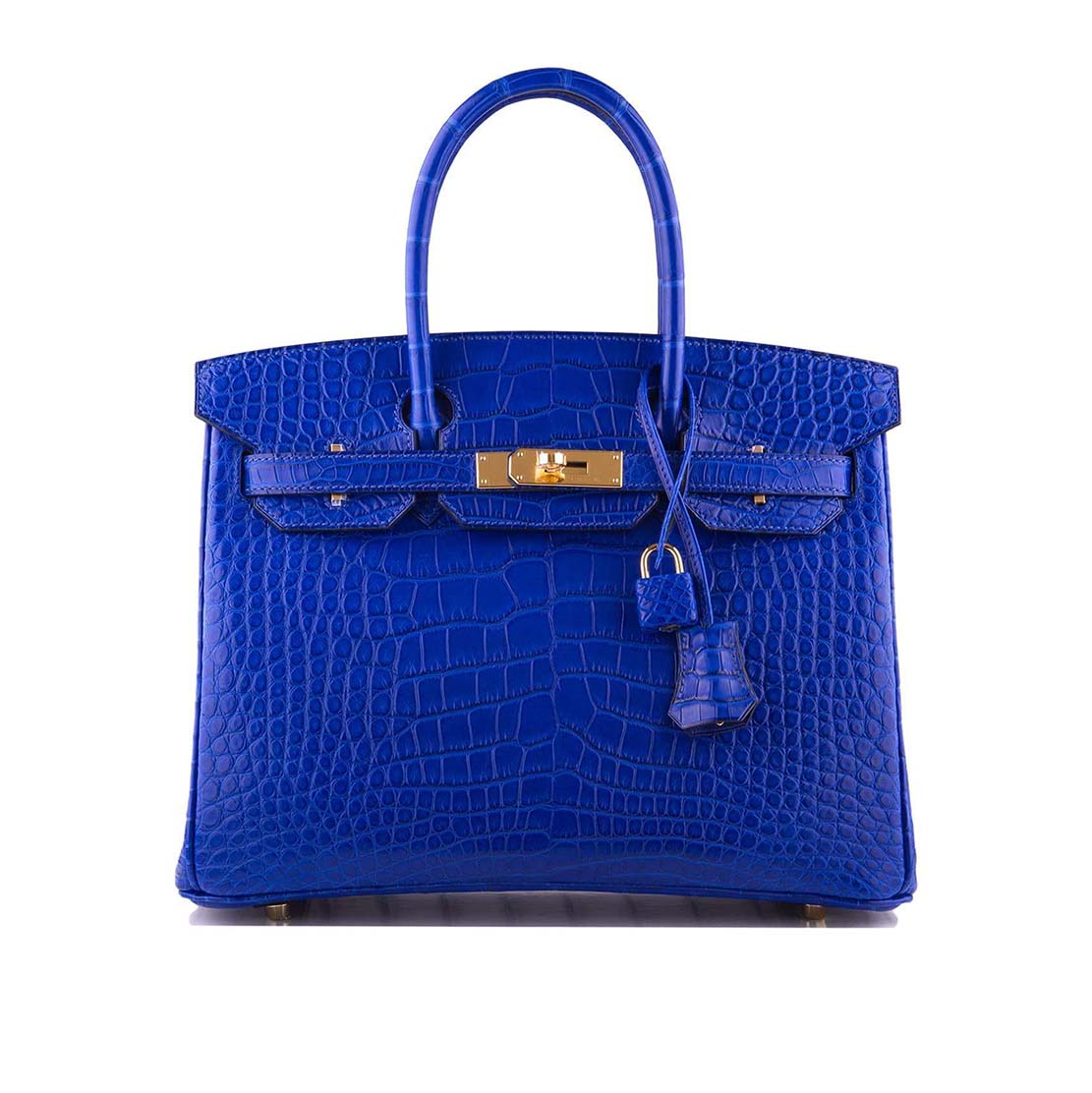
What Defines the Silhouette of the Hermès Birkin Bag
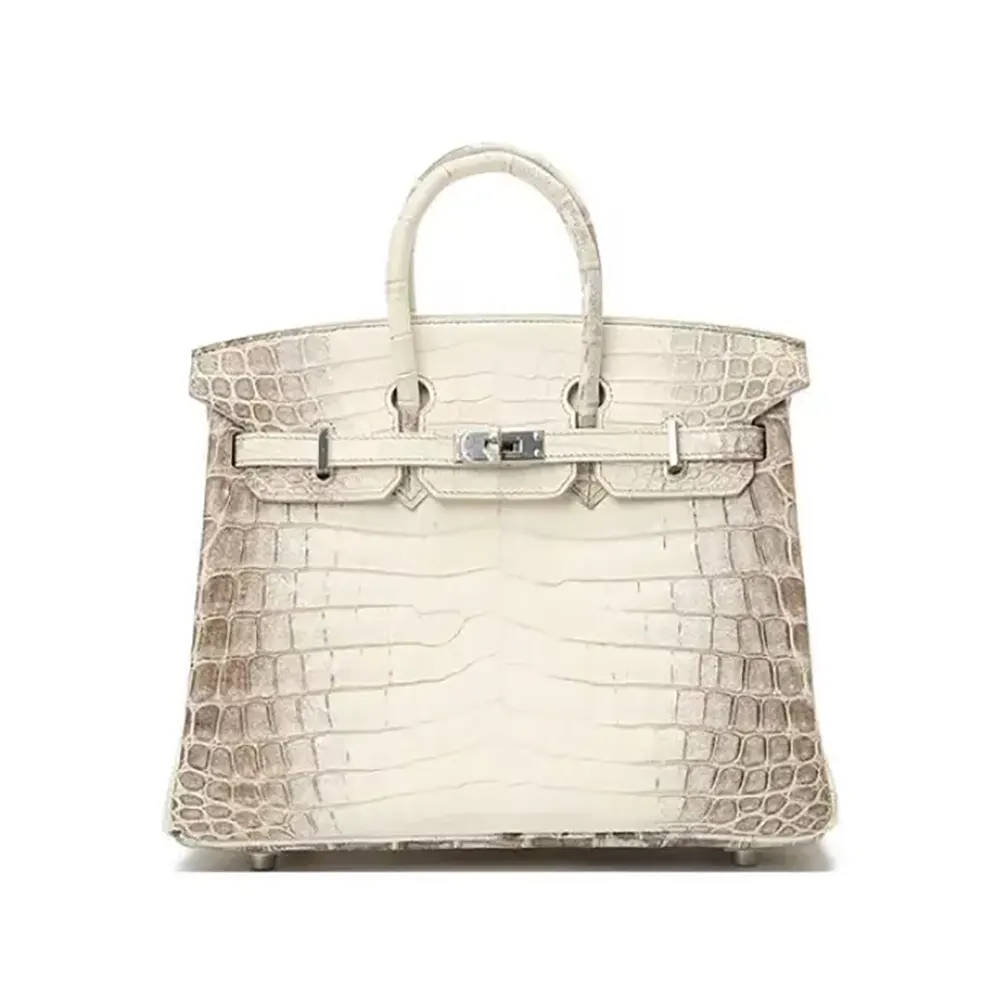
The Hermès Birkin Bag is instantly recognizable for its structured, rectangular shape, low-set handles, and signature flap closure with twin straps. Its silhouette combines elegance with practicality, offering an iconic yet functional design that has remained largely unchanged since its creation. The bag’s clean lines and minimalist hardware contribute to its timeless appeal, making it a versatile accessory for a wide range of occasions.
Designed originally to be spacious yet sleek, the Birkin balances form and function. Its boxy body with slightly rounded edges gives it a distinct profile that stands out without overwhelming the wearer. The bag’s proportions are carefully crafted to suit both casual and formal looks, appealing to those who appreciate understated luxury with a strong presence.
The Origin and Evolution of the Birkin Bag Design
The Birkin Bag was created in 1984, born from a chance encounter between actress Jane Birkin and Jean-Louis Dumas, then Hermès’ CEO. Inspired by Birkin’s desire for a practical yet chic everyday bag, Hermès developed a new design that combined spaciousness with refined craftsmanship. This marked a departure from the more delicate, evening-oriented handbags of the time.

Though the core design has remained intact, Hermès has introduced multiple sizes and finishes over the years to cater to different preferences. The bag’s timeless look has made it a symbol of understated wealth and exclusivity. While the silhouette is consistent, subtle updates in materials, hardware, and internal layouts have helped the Birkin remain relevant through decades of fashion shifts.
Materials Used in the Birkin Bag and How They Age
Hermès crafts the Birkin Bag using a variety of premium leathers and skins, each with unique characteristics and aging properties. Common materials include Togo, Clemence, Epsom, Swift, and exotic options like crocodile and ostrich. Each leather offers different textures, weights, and durability profiles, allowing buyers to choose based on their lifestyle and aesthetic preferences.
Most Birkin leathers develop a unique patina over time, enhancing their character. For example, Togo leather softens while maintaining its grain, creating a lived-in look without losing structure. Exotic skins like crocodile develop a subtle sheen and depth with proper care, which is highly prized by collectors. Understanding how each material ages helps buyers make informed decisions that align with how they intend to use and care for the bag.
Choosing Between the Different Birkin Sizes and Their Capacities
Hermès offers the Birkin in various sizes, commonly including 25 cm, 30 cm, 35 cm, and 40 cm widths. Each size serves different functional needs, from compact elegance to ample storage capacity. The smallest, Birkin 25, is ideal for those who carry essentials only, while the 40 cm size suits travelers or those requiring more substantial space.
The internal layout remains consistent across sizes, featuring a single open compartment, a zipped pocket, and an open pocket for organization. However, the overall capacity varies significantly: the 25 cm fits a small wallet, phone, and keys, while the 35 cm or 40 cm can accommodate documents, tablets, and larger personal items. When choosing size, consider not only capacity but also how the bag will balance on the arm or shoulder.
Understanding the Hardware and Construction Details of the Birkin
The Birkin Bag’s hardware is crafted from palladium or gold plating, chosen for its durability and resistance to tarnishing. The iconic turn-lock closure, padlock, and key clochette are signature features, combining aesthetic appeal with security. Hermès hardware is polished meticulously, ensuring a luxurious finish that complements the leather.
Construction-wise, the Birkin is hand-stitched using the saddle stitch technique, a hallmark of Hermès craftsmanship. This method provides strength and longevity, as each stitch is individually sewn for durability. The edges are hand-painted and burnished, ensuring a clean finish that resists wear. These details make the Birkin not just a handbag but a piece of artisanal excellence that ages gracefully.
How to Judge the Quality of a Hermès Birkin Bag
Evaluating a Birkin Bag’s quality involves examining both visible and subtle craftsmanship indicators. Look for consistent, tight, and even stitching with no loose threads or uneven lines. The leather should feel supple yet structured, with a uniform texture and color. Check that the hardware is firmly attached and smoothly functioning without scratches or discoloration.
Authentic Birkins have discreet blind-stamped marks inside the bag that indicate the year and artisan responsible for the piece. These stamps are small but crucial for authentication and assessing provenance. Finally, inspect the interior lining and pockets for precision—Hermès’ attention to detail means that even unseen parts of the bag reflect high standards.
Proper Care and Storage Practices for Maintaining a Birkin Bag
The Birkin Bag requires careful maintenance to preserve its beauty and longevity. Regular cleaning with a soft, dry cloth helps remove dust and surface dirt. For deeper cleaning, use products recommended specifically for the bag’s leather type, avoiding harsh chemicals that can damage the material or color.
Storage is equally important; always keep the bag in its dust bag when not in use to protect it from light and moisture. Stuff the interior with acid-free tissue paper to maintain shape, especially for softer leathers. Avoid exposure to extreme heat, humidity, or prolonged sunlight, which can cause fading or drying. Taking these steps will help the Birkin retain its look and value through years of wear.
Frequently Asked Questions
What is the difference between Togo and Clemence leather on a Birkin?
Togo leather has a fine, raised grain that is lightweight and stiff, providing excellent scratch resistance while maintaining structure. Clemence leather has a larger, more relaxed grain and is softer and heavier, giving the bag a more casual, slouchy look over time.
Can the Birkin bag be carried on the shoulder?
While the Birkin’s handles are designed primarily for hand or crook-of-arm carry, smaller sizes like the 25 cm or 30 cm may be carried on the shoulder by those with narrower frames. However, the bag generally lacks a dedicated shoulder strap and is best suited to handheld use.
How often should I have my Birkin professionally serviced?
It is advisable to have your Birkin inspected and serviced by a professional leather specialist every 1-2 years, depending on usage. Regular maintenance can address minor wear, conditioning needs, and hardware polishing to ensure the bag stays in optimal condition.
Pieces in This Family
Variants of the Hermes Birkin Bag currently in our collection:
Hermes Birkin 30 Bag in Alligator Leather with Silver Hard$799Hermes Birkin 30 Bag in Alligator Leather with Gold Hardwa$699Hermes Birkin 30 Bag in Alligator Leather with Gold Hardwa$699Hermes Birkin 30 Bag in Alligator Leather with Gold Hardwa$699 Hermes Birkin 30 Bag in Alligator Leather with Gold Hardwa$699
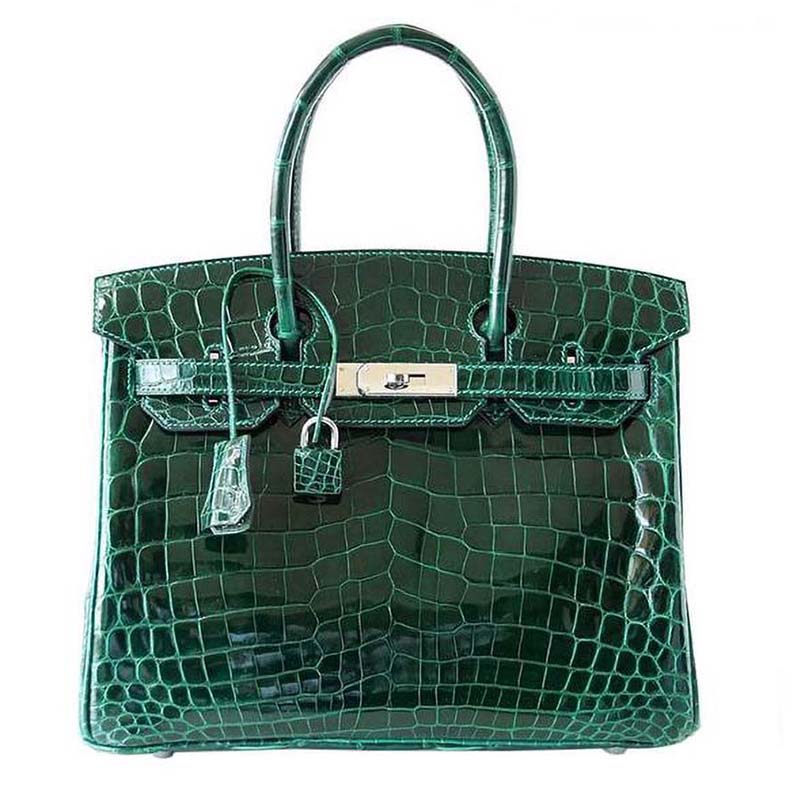 Hermes Birkin 30 Bag in Alligator Leather with Silver Hard$699
UrbanValore is an independent fashion resource. Brand names and trademarks belong to their respective owners. This guide is for information only.