Understanding the Fendi Belt: Design, Materials, and Care Explained
What Defines the Silhouette of the Fendi Belt
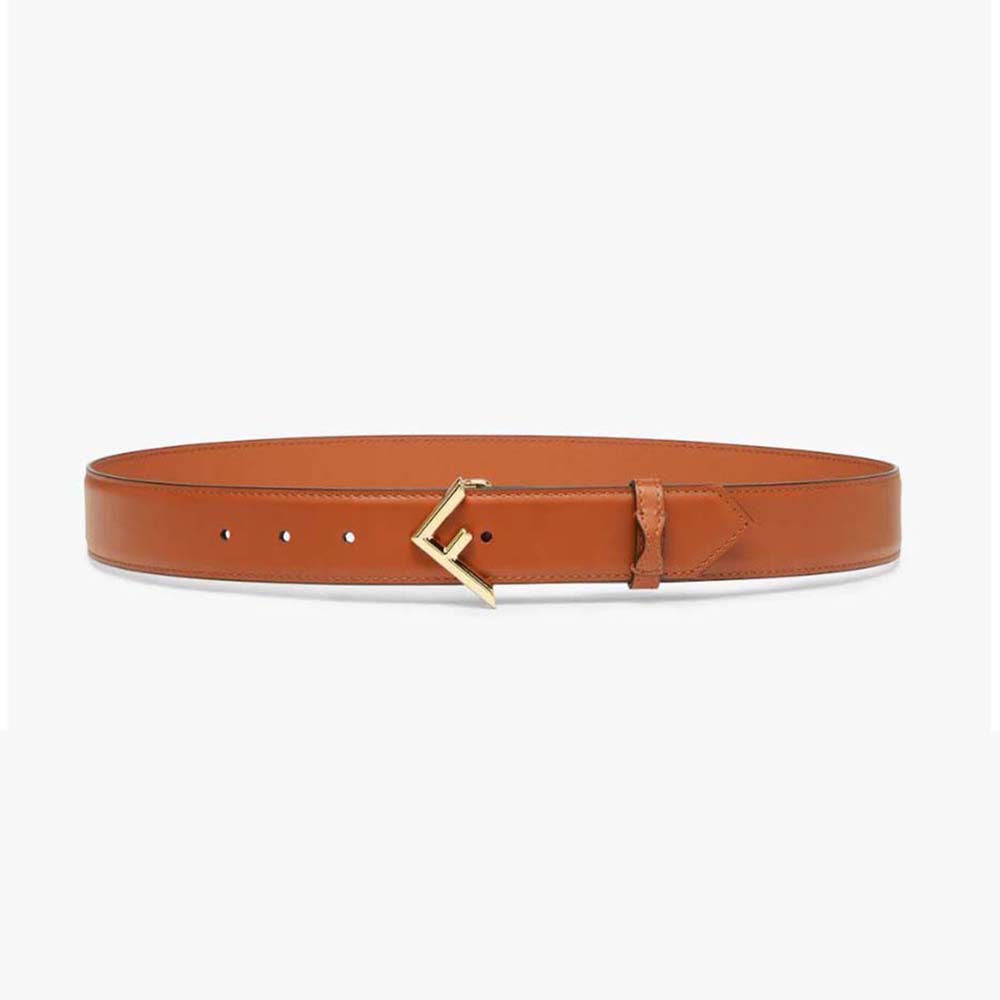
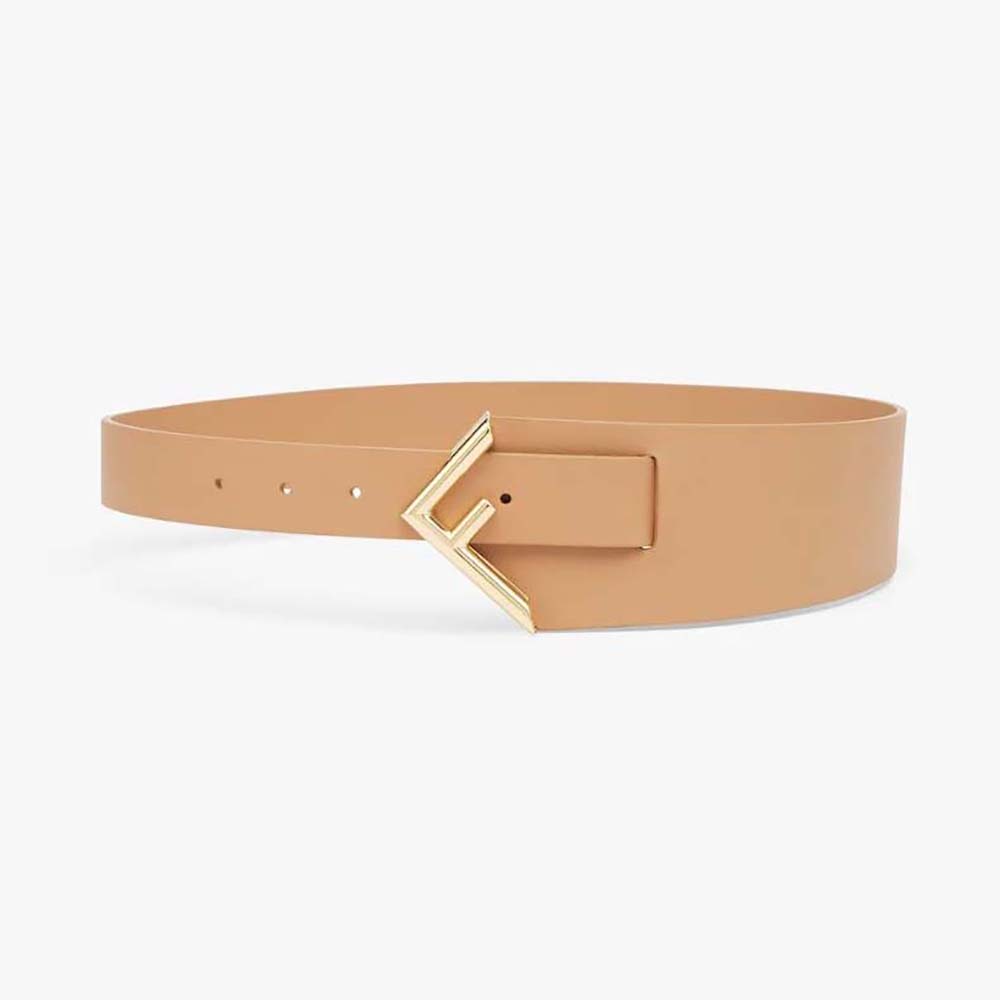
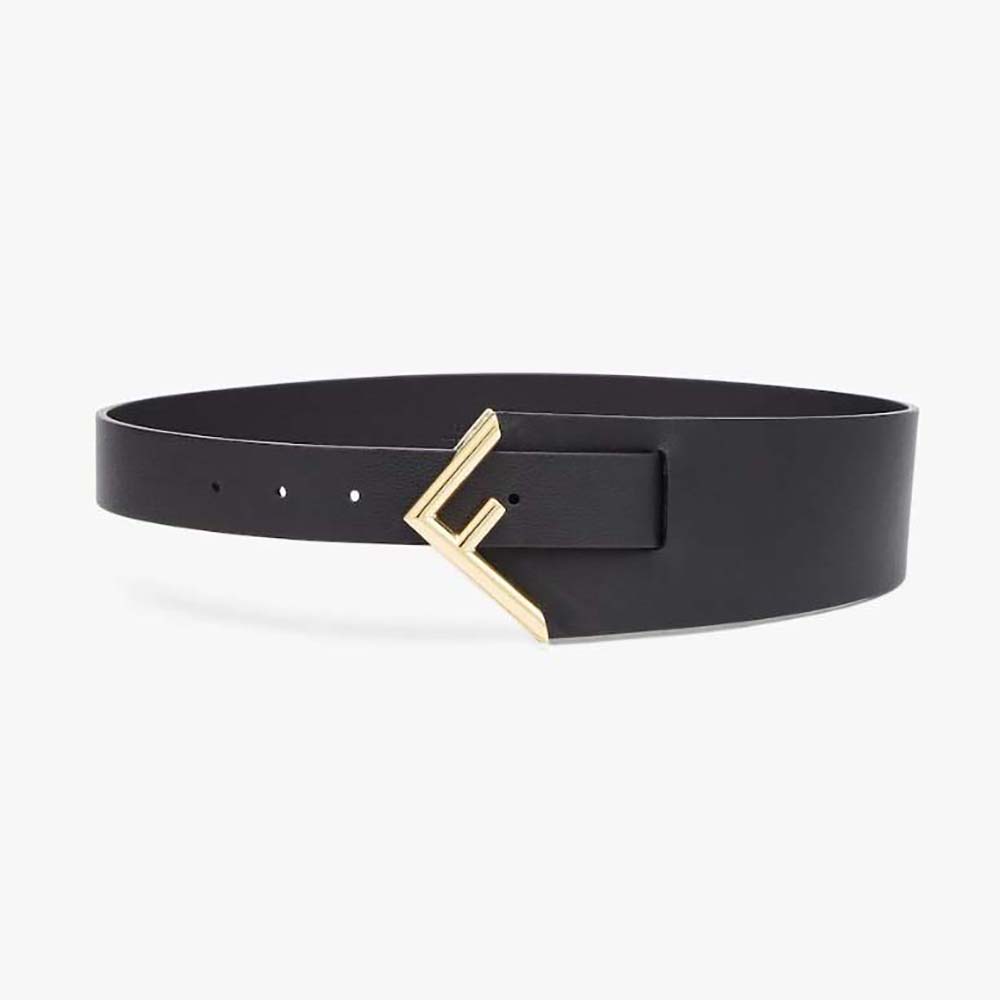
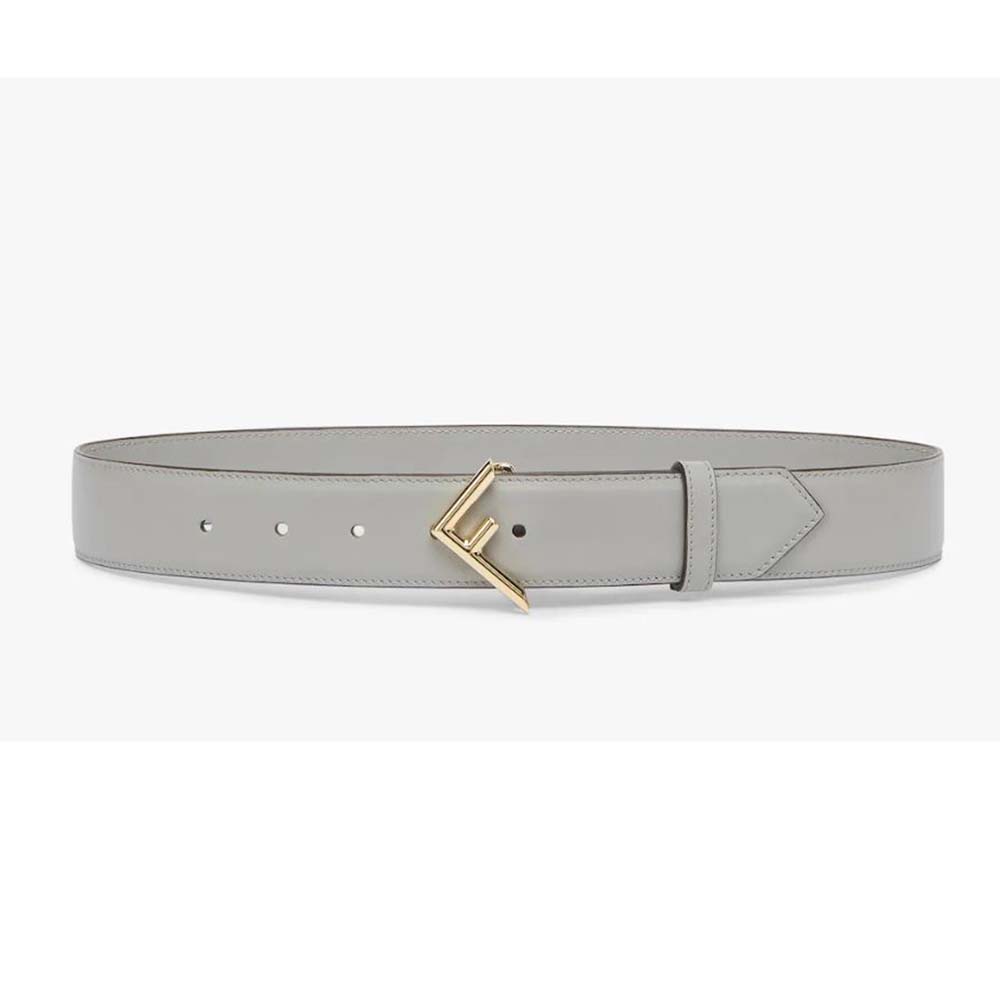
The Fendi Belt is recognized by its sleek, contemporary silhouette that balances bold branding with refined lines. It typically features a medium-width strap designed to fit comfortably around the waist or hips, making it a versatile accessory for various outfits. The belt’s profile is streamlined yet distinctive, often highlighted by Fendi’s iconic hardware, which serves as both a functional and decorative element.
Unlike overly bulky belts, the Fendi Belt maintains a minimalist charm despite its branding. The silhouette is structured to complement both tailored and casual looks, making it suitable for those who want a statement accessory without overwhelming their ensemble. The belt’s silhouette is consistent across its variants, primarily defined by clean edges, a smooth strap surface, and a focus on proportion that suits different body types gracefully.
Materials Used in the Fendi Belt and Their Aging Characteristics
The Fendi Belt is crafted predominantly from premium calfskin leather, known for its durability and smooth finish. Some variants also incorporate Fendi’s signature coated canvas or a combination of leather and canvas for added texture and design interest. These materials are chosen not only for their aesthetic appeal but also for their ability to age gracefully over time.
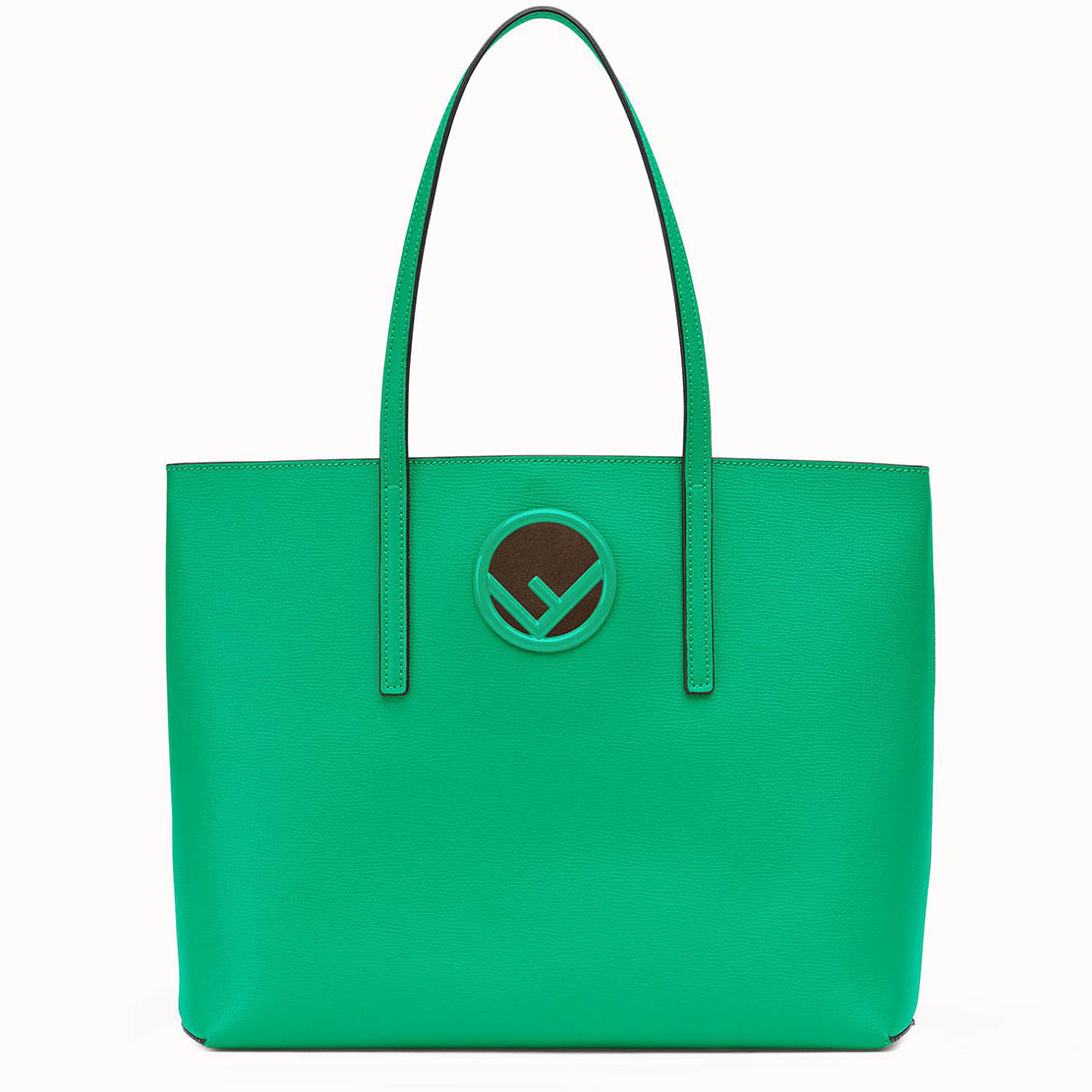
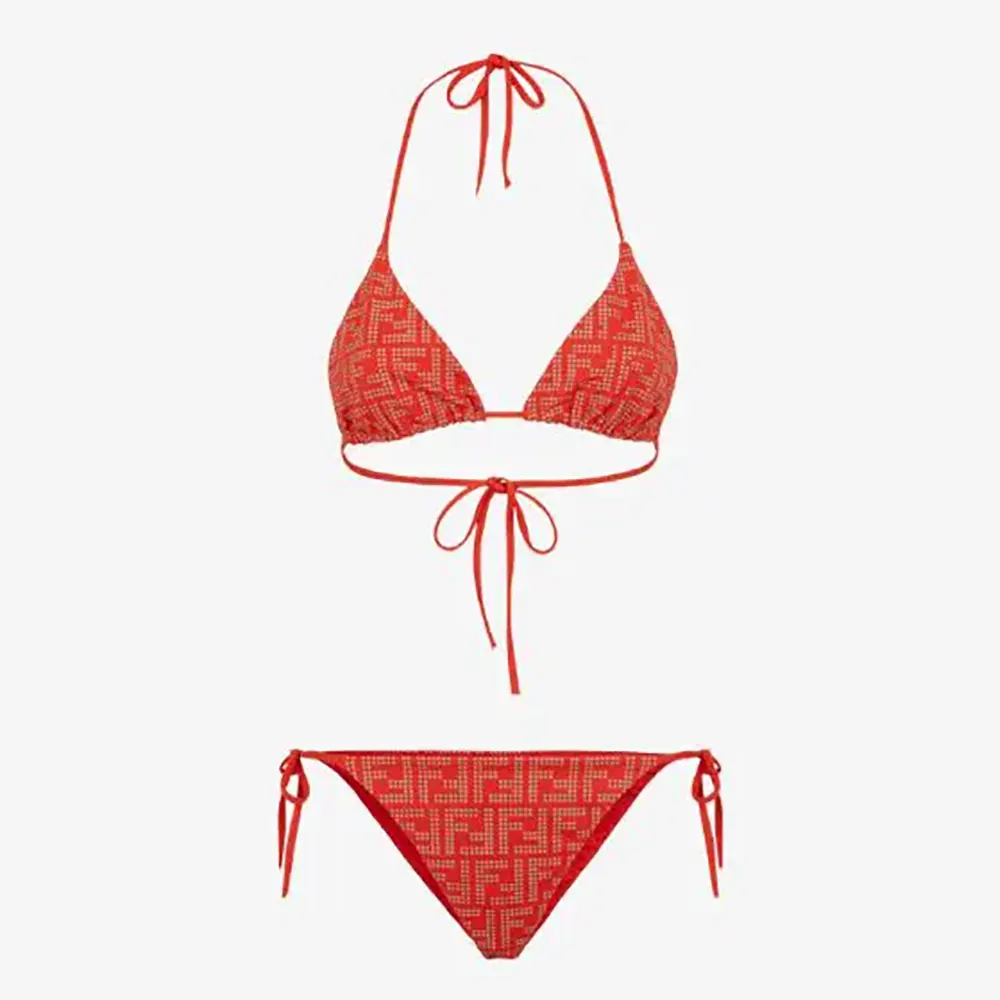
Leather variants develop a natural patina, softening with wear and becoming more supple while maintaining their strength. This aging process enhances the belt’s character without compromising its structure. The coated canvas options are resistant to scratches and water, making them low-maintenance while retaining their print vibrancy and surface integrity for years. Both materials respond well to proper care, ensuring longevity and sustained visual appeal.
Choosing Between the Sizes: Lengths and Widths Explained
The Fendi Belt comes in several sizes to accommodate different waist measurements and styling preferences. Typically, the lengths range from around 70 cm to 110 cm, offering options for those seeking a snug fit or a looser, layered look. Understanding your waist measurement and how you intend to wear the belt helps determine the appropriate size.
In addition to length, some variants slightly differ in width, usually between 30 mm to 40 mm. Narrower widths are ideal for formal or understated looks, while wider belts make a stronger style statement. When selecting a size, consider the belt loops on your clothing as well as the desired fit—whether worn at the natural waist, hips, or over garments like dresses and coats.
Reading the Hardware: Buckle Styles and Finishing Details
The hardware is a signature aspect of the Fendi Belt, with the buckle often showcasing the recognizable double-F logo. Buckle finishes vary across the collection and include polished brass, brushed gold-tone, silver-tone, or matte black, each providing a different aesthetic feel. These finishes are carefully applied to resist tarnishing and scratching.
Beyond the buckle, small details such as the stitching around the belt’s edges and the metal loops holding the strap end indicate the level of craftsmanship. The hardware should feel solid and heavy without being cumbersome, and the buckle mechanism must operate smoothly without wiggle or looseness. These qualities ensure both visual appeal and functional reliability.
Signs of Careful Construction in the Fendi Belt
Quality construction in the Fendi Belt is evident in the precision of stitching, edge finishing, and internal reinforcements. The stitching is consistently tight, with no loose threads or uneven lines, reflecting meticulous hand or machine work. Edges of the belt are polished and sealed to prevent peeling or fraying, contributing to the belt’s durability.
Inside the belt, reinforcements such as fabric lining or additional leather layers add strength and help the belt maintain its shape over time. The buckle is securely attached, often with hidden screws or rivets that enhance longevity while maintaining a clean exterior. These construction details result in a belt that looks refined and stands up well to regular use.
How to Care for and Store Your Fendi Belt
Proper care is crucial to maintain the appearance and function of the Fendi Belt. Leather belts benefit from occasional conditioning with a suitable leather conditioner to keep the material supple and prevent drying or cracking. Avoid exposure to direct sunlight and moisture, which can damage both leather and canvas finishes.
When storing the belt, it’s best to keep it flat or gently rolled in a dust bag to avoid creasing or distortion. Avoid hanging the belt by its buckle, as this can stretch the leather unevenly. Regular inspection for dirt or stains and prompt gentle cleaning will help preserve the belt’s look. Using a soft cloth and mild cleaner suitable for leather or coated canvas is recommended for maintenance.
Frequently Asked Questions
Can the Fendi Belt be resized if it doesn’t fit perfectly?
Most Fendi Belts can be adjusted slightly by repositioning the buckle pin within existing holes, but major resizing requires professional alteration. Cutting the belt or adding new holes is possible but should be done carefully to avoid damaging the material or hardware.
How does the coated canvas variant compare to the leather in terms of durability?
Coated canvas is generally more resistant to water and scratches, making it easier to maintain in harsh conditions. Leather, while highly durable, requires more regular conditioning but develops a richer patina over time. Both materials offer excellent longevity when cared for properly.
Is it safe to get the belt wet?
It is best to avoid soaking the belt in water. Light exposure to moisture can be managed by drying the belt gently with a soft cloth. Prolonged wetness, especially on leather variants, can cause damage such as staining, warping, or loss of structural integrity.
Pieces in This Family
Variants of the Belt currently in our collection:
Fendi Women Brown Leather Belt$199Fendi Women Beige Leather Belt$199Fendi Women Black Leather Belt$199Fendi Women Gray Leather Belt$199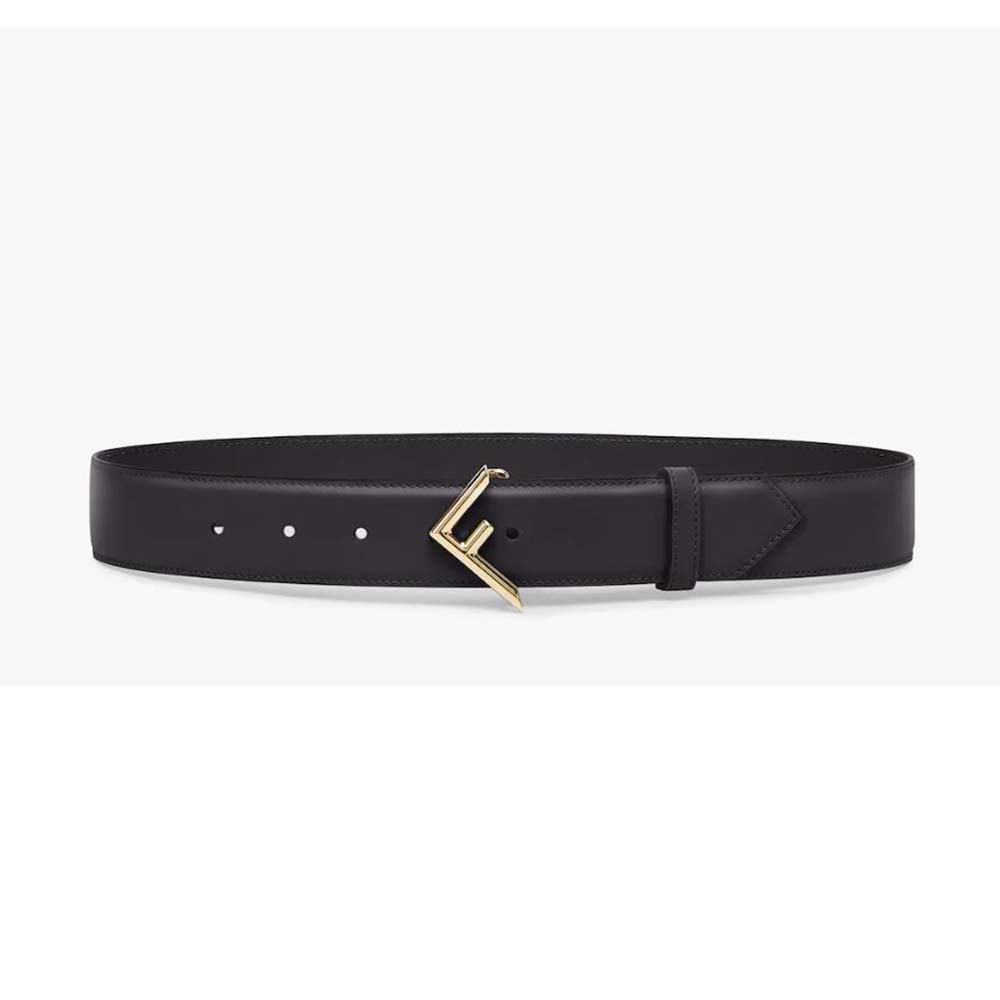 Fendi Women Black Leather Belt$199
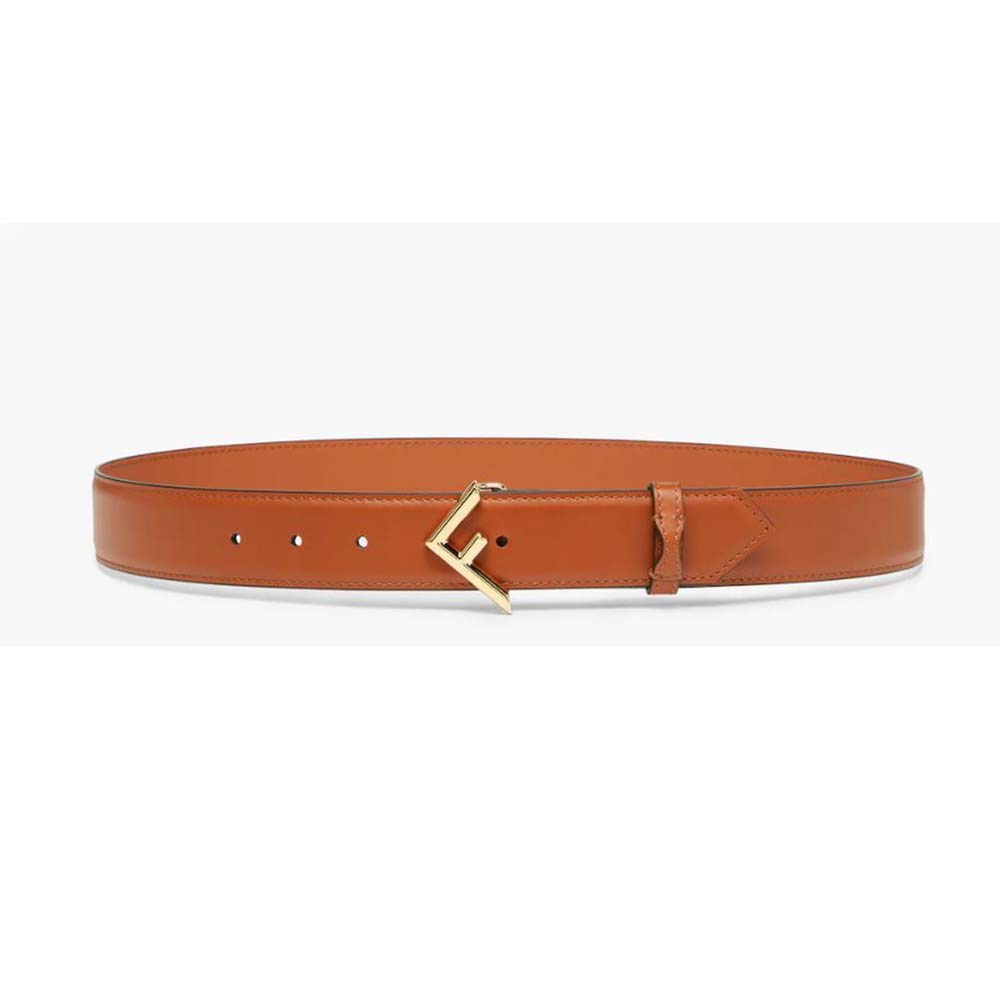 Fendi Women Brown Leather Belt$199
UrbanValore is an independent fashion resource. Brand names and trademarks belong to their respective owners. This guide is for information only.