Complete Guide to the Hermes Oran Sandal: Design, Materials, and Care
What Defines the Silhouette of the Hermes Oran Sandal
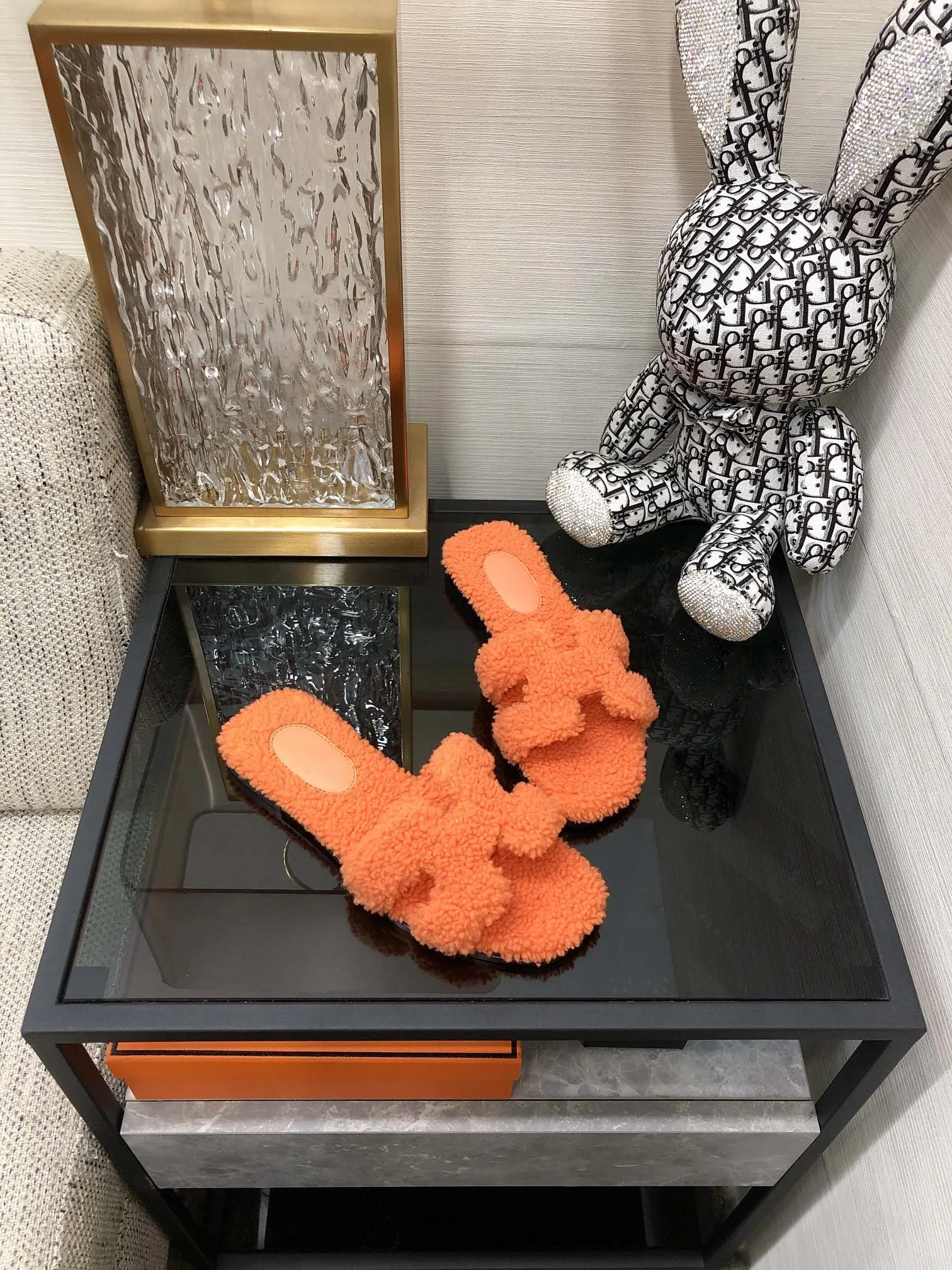
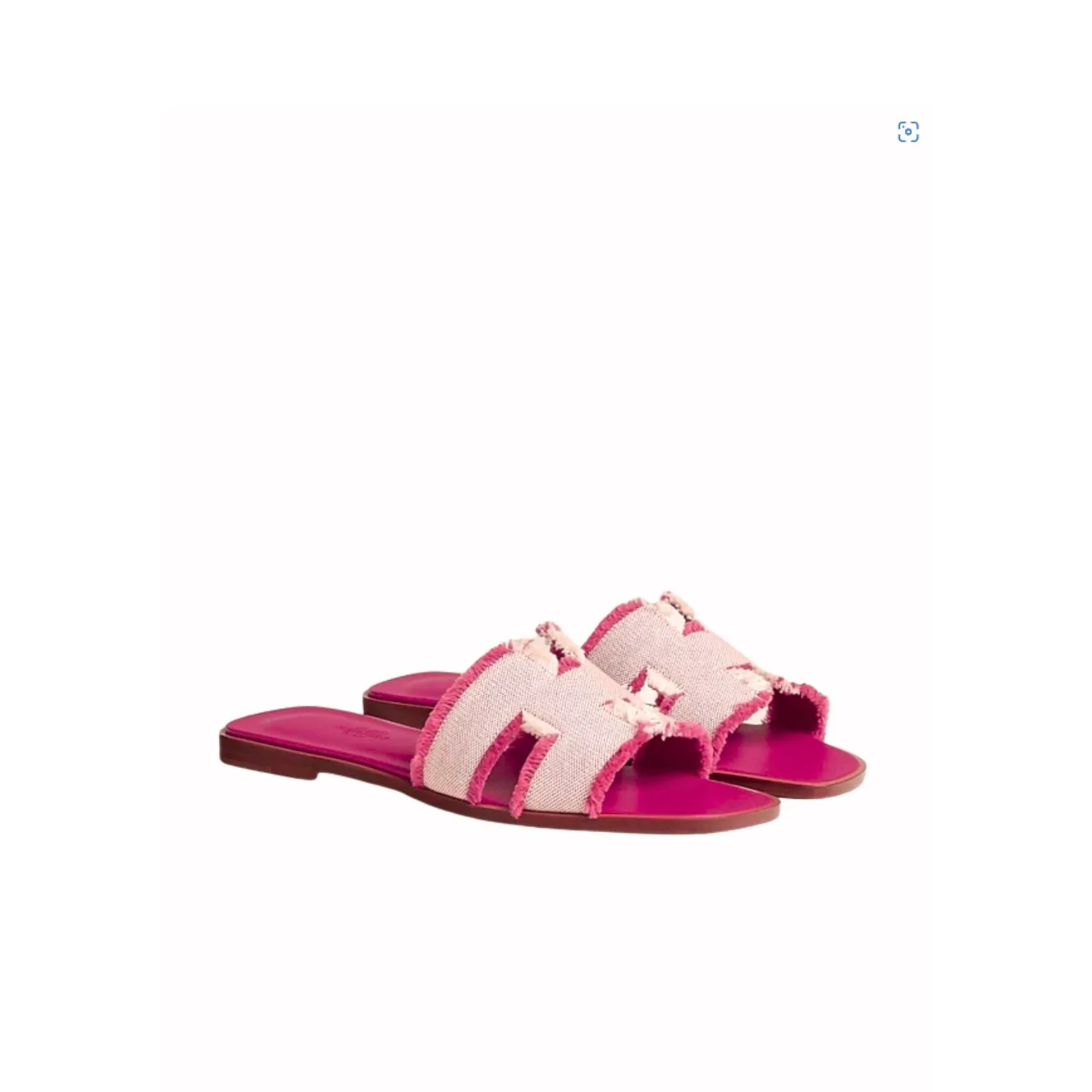
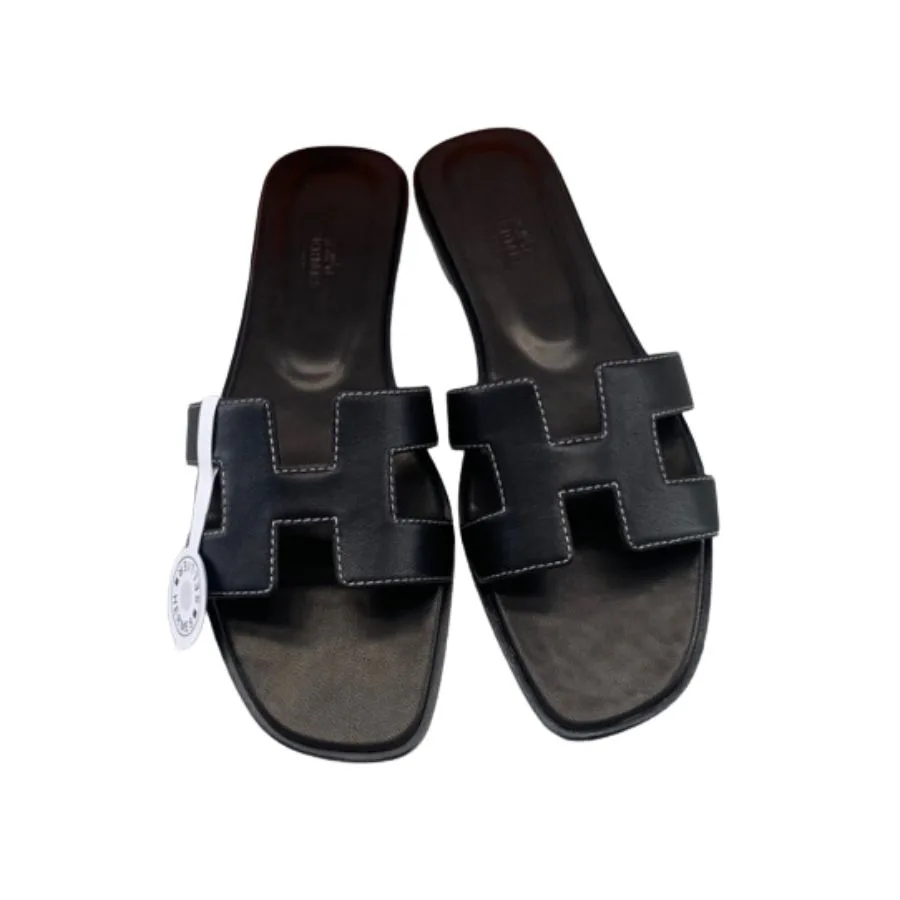
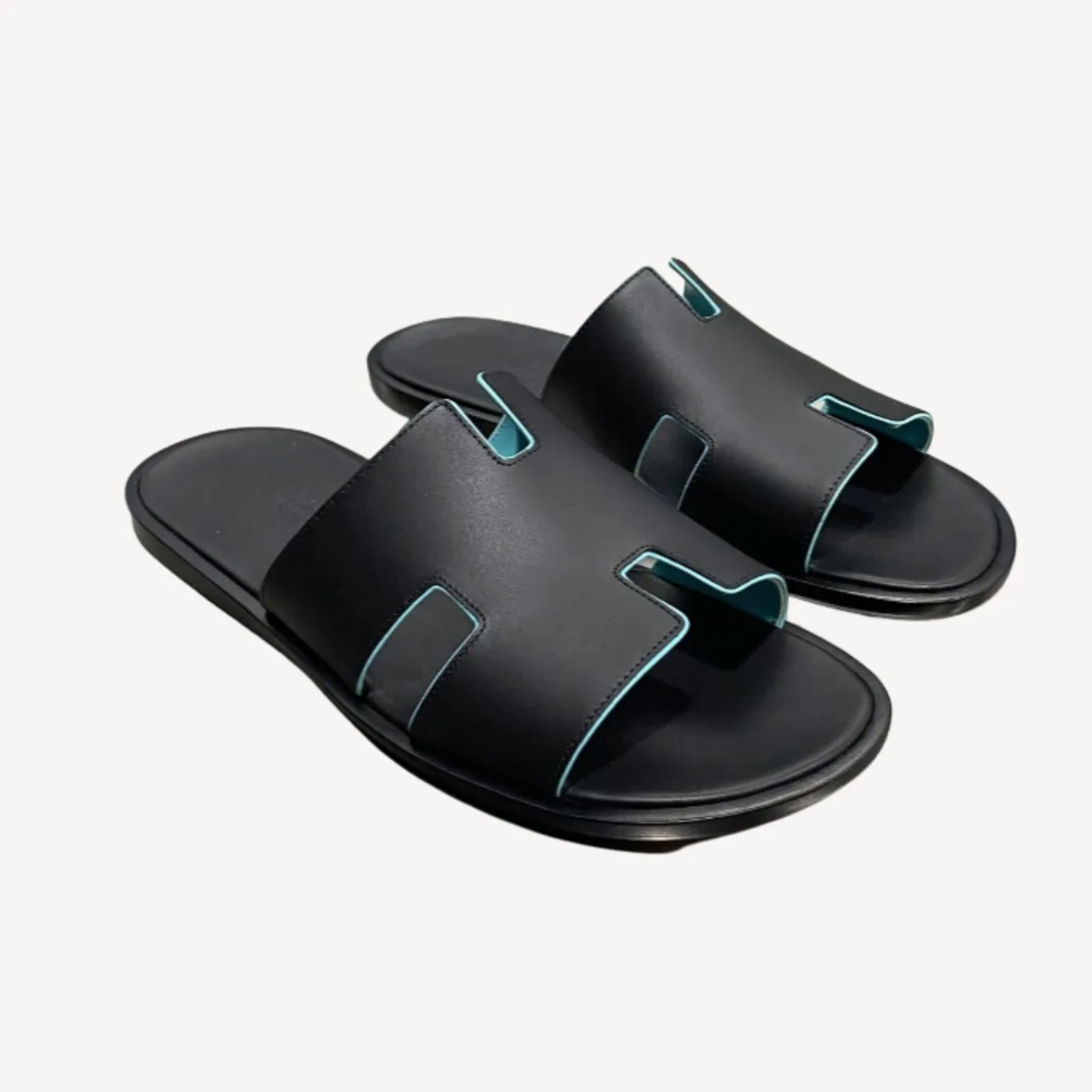
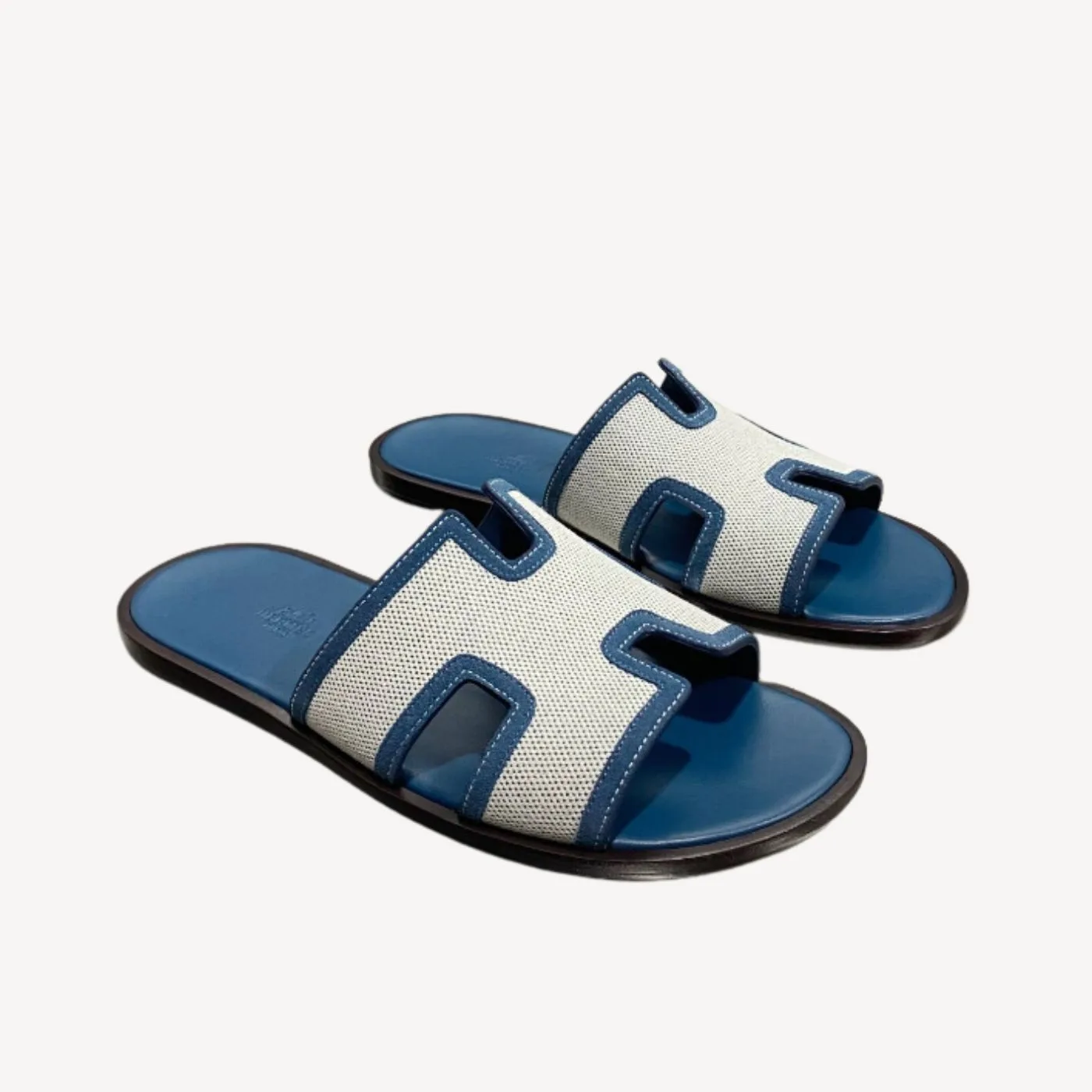
The Hermes Oran Sandal is recognized for its minimalist yet instantly recognizable shape. Its defining feature is the iconic ‘H’ cutout that forms the upper strap, creating a sleek, open-toe design that balances both elegance and casual ease. The silhouette is flat with a slight heel, designed to offer comfort while maintaining a timeless aesthetic that pairs well with a variety of outfits.
Originally introduced in the early 2000s, the Oran sandal quickly became a staple for those who appreciate understated luxury. Its clean lines and structured form provide a versatile shoe that suits an array of occasions, from casual walks to more polished, semi-formal events. The silhouette is deliberately simple but thoughtfully structured, allowing the craftsmanship and materials to stand out.
Materials Used in the Hermes Oran Sandal and Their Aging Characteristics
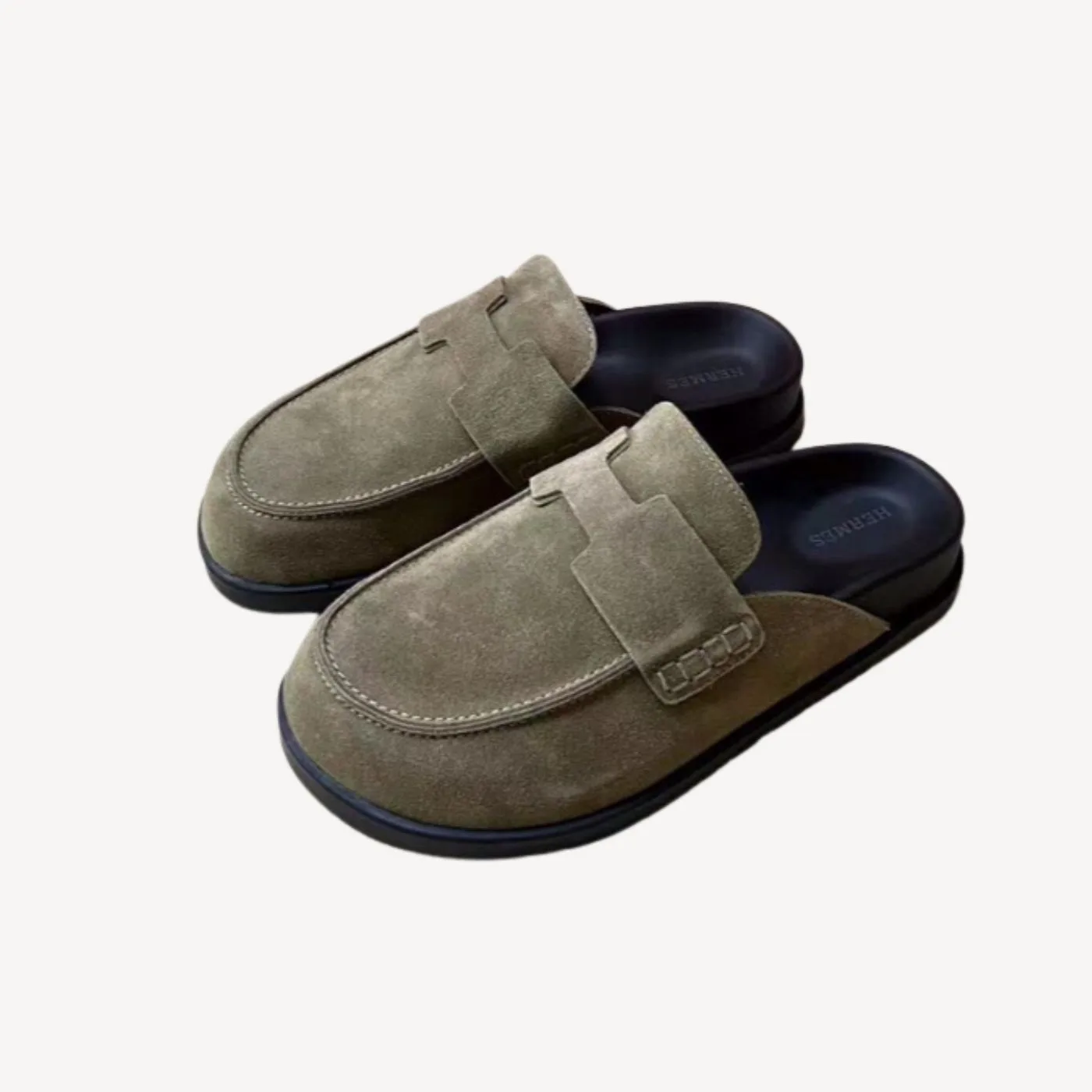
Hermes produces the Oran Sandal in a range of high-quality leathers and finishes. Commonly used materials include smooth calfskin, grained leather, exotic skins like alligator or ostrich, and occasionally, versions with canvas or suede combinations. Each material offers a unique look and wears differently over time.

Calfskin, for example, develops a soft patina with use, gradually enriching in color and texture without losing its smooth feel. Exotic skins are more delicate and require careful maintenance to avoid drying or cracking, but they retain a distinctive luxurious texture that stands out. The leather lining inside the sandal also softens with wear, conforming to the foot’s shape for increasing comfort.
Choosing Between the Sizes and Fit Variations
The Hermes Oran Sandal is available in a broad range of sizes to accommodate many foot shapes and lengths. The fit is generally true to size but tends to run slightly narrow, reflecting Hermes’ typical precision in craftsmanship. Because the sandal has an open design, the width and arch support should be carefully considered when selecting a size.
When trying different sizes, it’s important to account for the fact that the leather strap with the ‘H’ cutout sits across the upper part of the foot, which may feel snug on wider feet. Some wearers prefer to size up to allow more room, especially for extended wear in warmer weather. The sandal’s flat sole means that there is minimal built-in arch support, so individuals with high arches may need to consider additional insoles or look for particular fits within the size range that accommodate their foot shape better.
Reading the Hardware and Construction Details
Unlike many luxury shoes that feature visible metal accents or embellishments, the Hermes Oran Sandal focuses on subtlety. The hardware is minimal or non-existent, emphasizing the quality of leather and craftsmanship. The construction typically includes a leather sole with reinforced edges and a discreet heel stacked to provide slight elevation.
Attention to detail can be seen in the precise stitching around the straps and sole. The edges of the leather are often hand-burnished to create a smooth, polished finish that resists fraying. The ‘H’ cutout is expertly shaped to maintain sharp lines and structural integrity without compromising comfort. This level of craftsmanship ensures the sandal maintains its form and appearance over time.
Signs of Careful Construction to Look For in the Hermes Oran Sandal
When evaluating an Hermes Oran Sandal, look for uniform, tight stitching around the straps and soles. The stitch spacing should be consistent, with no loose threads or uneven tension. The leather edges should be cleanly cut and hand-finished, showing no signs of machine roughness or peeling.
The sole’s attachment to the upper is another indicator of quality. It should be securely stitched rather than glued alone, which adds durability and prevents premature separation. Check that the ‘H’ cutout is symmetrical on both sandals and that the leather maintains a firm structure without overstretching. These construction details reflect the thorough workmanship Hermes applies to every pair.
Best Practices for Caring for and Storing the Hermes Oran Sandal
Proper care extends the life and appearance of the Oran Sandal. Because leather is the primary material, cleaning should be done with a soft cloth or brush to remove dust after each use. Conditioning the leather every few months with a quality leather conditioner helps maintain suppleness and prevents cracking, especially in drier climates.
When not in use, store the sandals in a cool, dry place away from direct sunlight to avoid fading or drying out the leather. Using shoe trees or stuffing the sandals with acid-free tissue paper helps preserve their shape. Avoid exposing them to water, as moisture can damage both the leather and the sole. If they do get wet, allow them to air dry naturally and never use artificial heat sources.
Frequently Asked Questions
Are Hermes Oran Sandals suitable for all-day wear?
Yes, many find the Oran Sandal comfortable for extended wear due to its flat sole and soft leather. However, because it lacks arch support, individuals with specific foot needs might want to add insoles or limit prolonged use.
How does the ‘H’ cutout affect the durability of the strap?
The ‘H’ cutout is precisely crafted to maintain the leather’s strength. Hermes uses thick, high-quality leather that resists stretching or tearing around the cutout, but proper care is necessary to prevent damage over time.
Can the Hermes Oran Sandal be resoled?
Yes, the Oran Sandal features a leather sole that can be re-soled by a skilled cobbler, which helps extend the sandal’s lifespan significantly.
Pieces in This Family
Variants of the Hermes Oran Sandal currently in our collection:
Hermes Oran Sandal Orange$419Hermes Oran Sandal Pink$419Hermes Oran Sandal Black$269Hermes Oran Sandal Black$419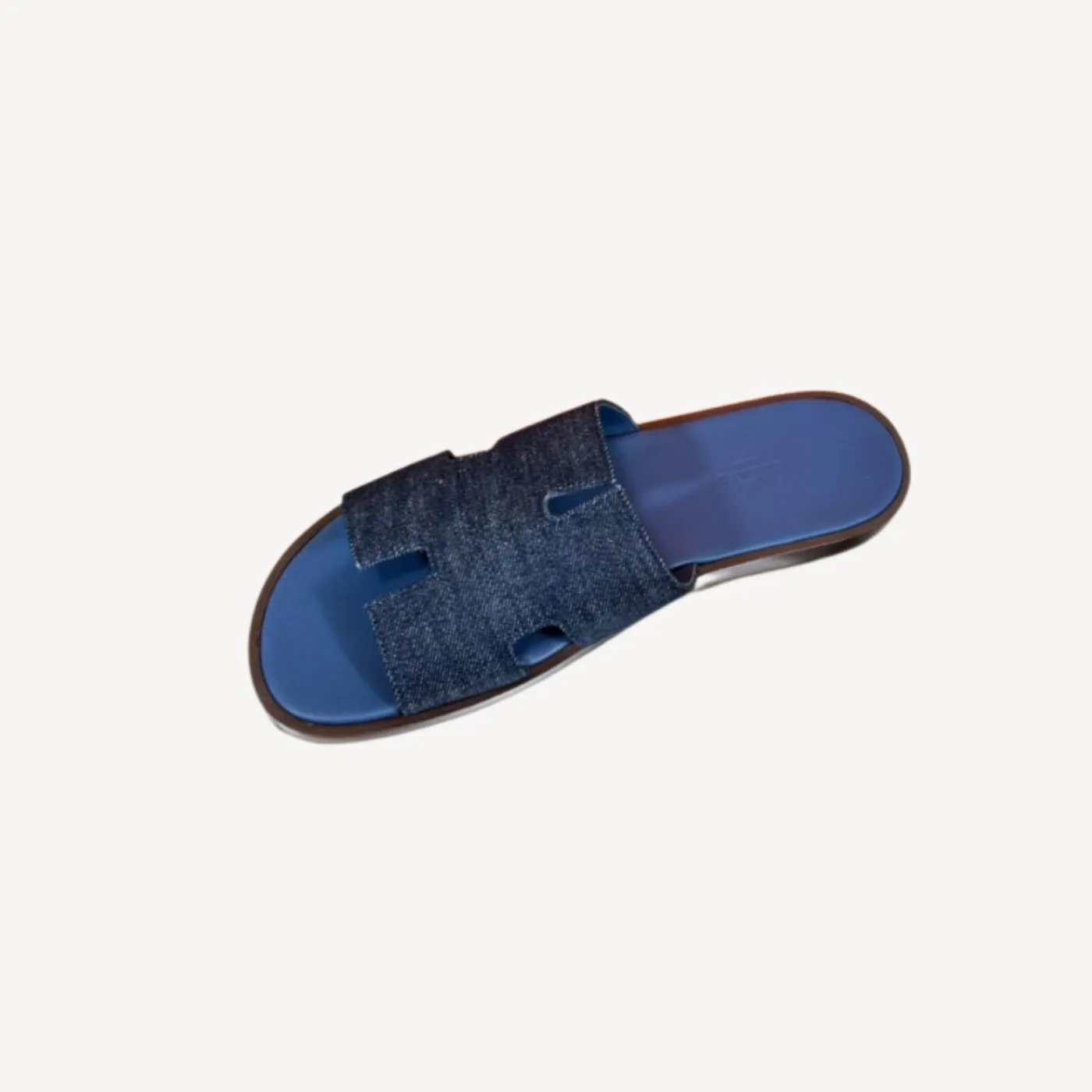 Hermes Oran Sandal Blue$419
 Hermes Oran Sandal Green$419
UrbanValore is an independent fashion resource. Brand names and trademarks belong to their respective owners. This guide is for information only.