Tread Slick Boot Featuring Multicolour Eyelet Detailing: Design and Care Guide
What Defines the Tread Slick Boot Silhouette
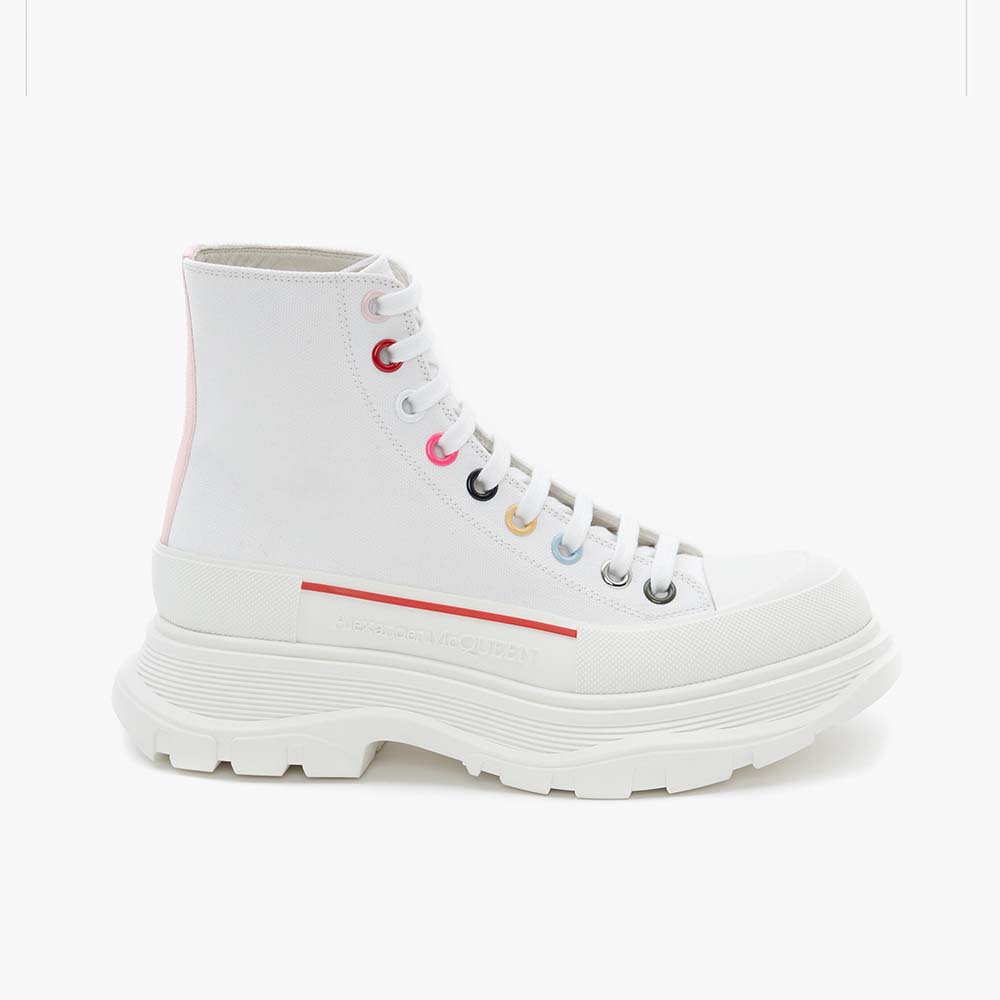
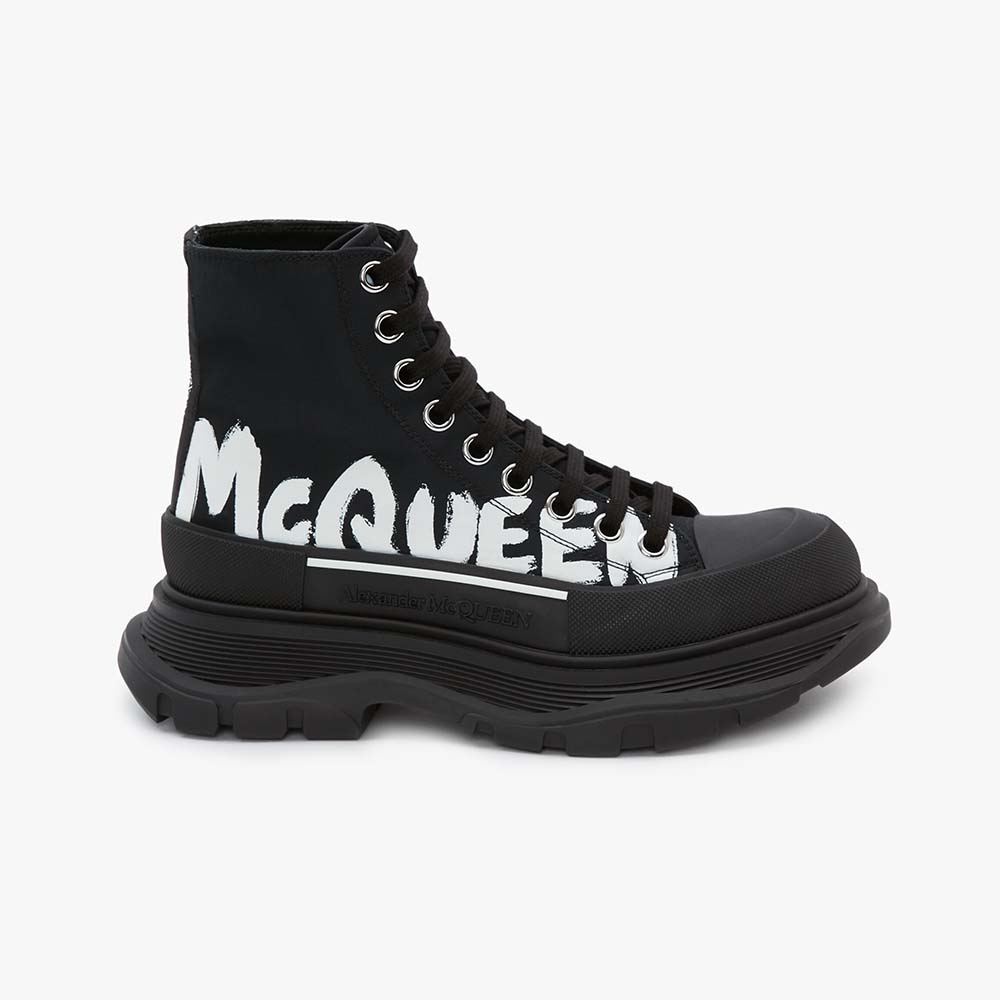
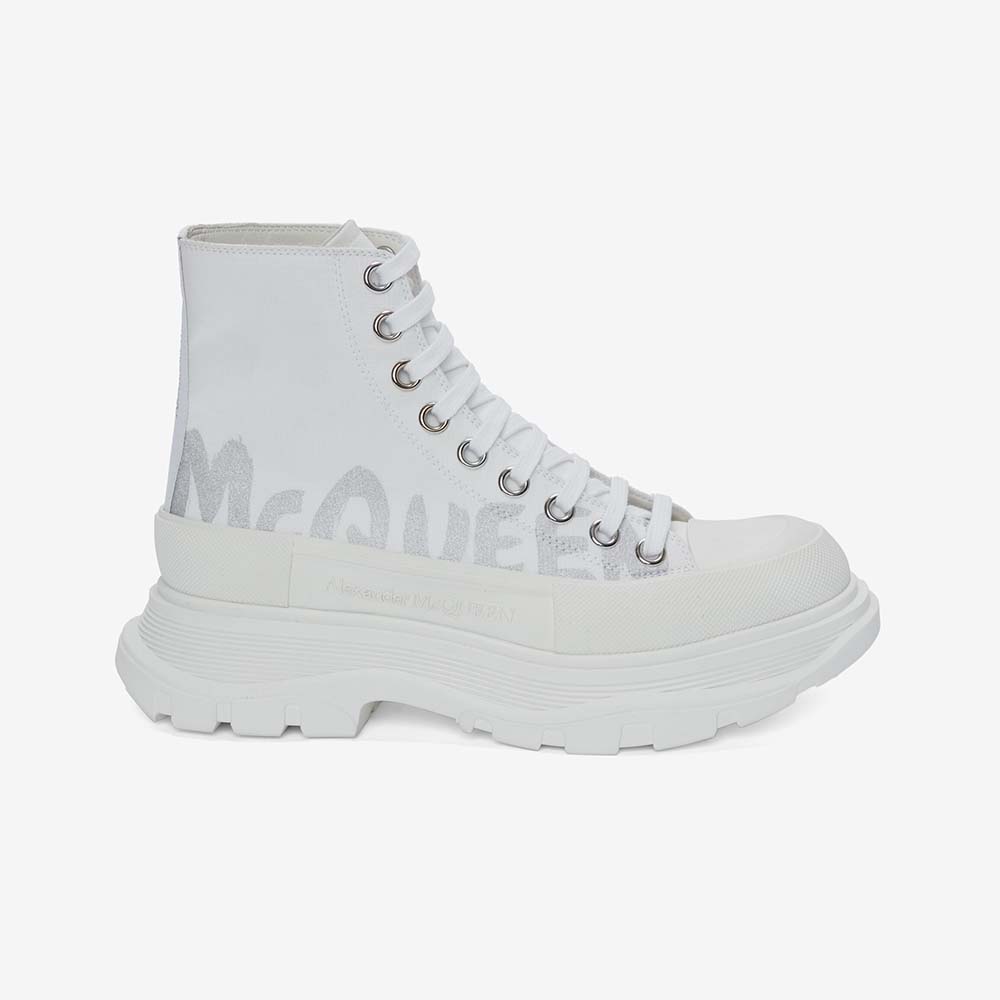
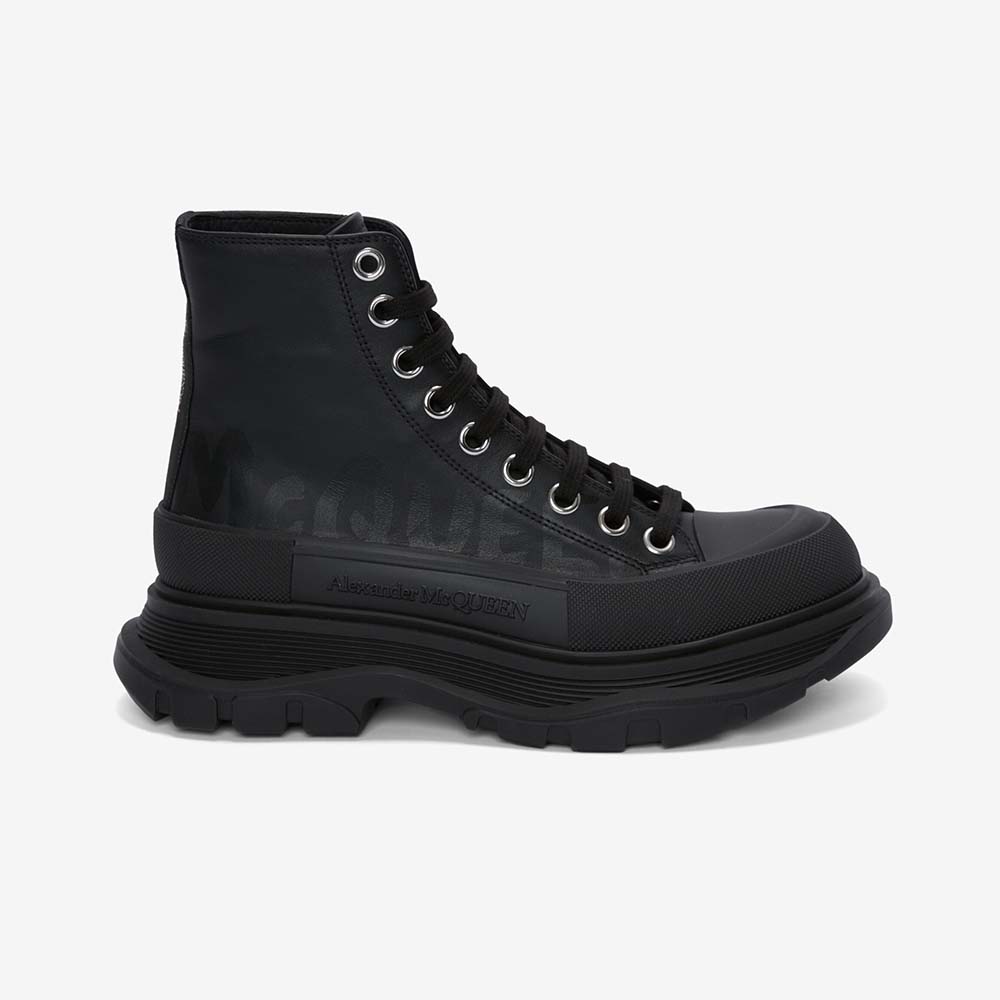
The Tread Slick Boot Featuring Multicolour Eyelet Detailing by Alexander McQueen is a distinctive footwear piece that combines ruggedness with fashion-forward embellishment. The silhouette is characterized by its robust, chunky sole known as the ‘tread,’ which offers both height and grip. This sole contrasts with the smooth, sleek upper that is punctuated by multicolour eyelets, adding an unexpected pop of colour and playful texture to what might otherwise be a purely functional design.
The overall shape leans toward a combat-inspired boot but is refined with a slim shaft and tailored lines, giving it a balanced aesthetic that suits urban wearers who want something both sturdy and stylish. This model suits individuals who appreciate statement footwear with practical features and have an eye for detailing that stands out without overwhelming the entire look.
How the Materials Shape the Boot’s Longevity and Look
The Tread Slick Boot is crafted using premium leather for the upper, typically smooth calfskin, known for its durability and ability to develop a natural patina over time. The leather ages by becoming softer and more supple, while small creases and marks add character without compromising the boot’s integrity. The multicolour eyelets are made from sturdy metals with a powder-coated finish to retain their vibrancy and resist tarnishing.
The sole is rubber-based with a lugged pattern, designed for traction and shock absorption. Rubber soles generally resist wear well but can show scuff marks or flatten slightly with heavy use. The combination of leather and rubber offers a boot that not only looks good but also handles the elements with reasonable resilience, making it suitable for regular wear in diverse environments.
Choosing Between the Available Sizes and Fits
Alexander McQueen’s Tread Slick Boot is stocked in eight variants, which typically encompass a range of sizes and sometimes slight finish or colour variations within the multicolour eyelet detailing. The sizing generally follows European standards, which tend to run slightly smaller than US sizes, so it’s important to measure foot length carefully or try them on if possible.
Fit-wise, the boot has a snug profile around the ankle with a slightly roomier toe box, owing to the combat boot inspiration. This design allows for comfort during extended wear while maintaining a sleek appearance. Those with wider feet might find the toe box accommodating, but the shaft’s slim fit could feel restrictive initially until the leather softens with wear.
Reading the Hardware: Eyelets and Laces
The multicolour eyelet detailing is a defining feature of this model family. These eyelets are metal rings set into the leather upper, arranged to allow for lacing up tightly or loosely depending on preference. The colours are carefully chosen to create a subtle gradient or random pattern, contributing to the boot’s unique identity.
The laces themselves tend to be thick and durable, often waxed to prevent fraying and to improve ease of threading through the eyelets. The hardware is securely fastened, with each eyelet reinforced to avoid pulling or tearing even under tension. These details underscore the blend of fashion and function that defines the boot.
Signs of Careful Construction in the Tread Slick Boot
Examining the construction of the Tread Slick Boot reveals several indicators of quality craftsmanship. The stitching along the upper is tight, evenly spaced, and free from loose threads. This precision stitching not only enhances durability but also presents a clean finish that complements the boot’s design.
The sole is attached using a combination of cementing and stitching in some variants, which ensures a strong bond and allows for potential resoling. The edges of the sole are smooth and even, without excess glue or rough cuts, reflecting attention to detail during assembly. These features contribute to the boot’s longevity and overall aesthetic.
How to Care for and Store the Tread Slick Boot
Proper care can extend the life and appearance of the Tread Slick Boot significantly. Regular cleaning with a soft brush or cloth removes dirt and dust, while occasional conditioning with a leather cream helps maintain suppleness and prevent cracking. It’s advisable to use products formulated specifically for calfskin leather to avoid discoloration or damage.
When not in use, boots should be stored in a cool, dry place away from direct sunlight to prevent fading and drying out. Using boot trees maintains the shape of the shaft and prevents creasing. If the boots get wet, they should be dried naturally at room temperature, avoiding heat sources that can harden the leather or cause the sole to deform.
Frequently Asked Questions
Are the multicolour eyelets prone to fading or rusting?
The eyelets are crafted with durable metal and finished with a powder coating that protects against rust and fading. With regular care and avoiding prolonged exposure to water, their colour and integrity remain intact over time.
Can the soles of the Tread Slick Boot be replaced?
Yes, depending on the variant, the boots feature stitched or cemented soles that can be resoled by a professional cobbler, extending the footwear’s lifespan.
Do these boots require a break-in period?
Like most leather boots, the Tread Slick Boot benefits from a short break-in period. The leather will soften and adapt to the wearer’s foot shape, improving comfort after several wears.
Pieces in This Family
Variants of the Tread Slick Boot Featuring Multicolour Eyelet Detailing currently in our collection:
Alexander Mcqueen Women Tread Slick Boot Featuring Multico$289Alexander Mcqueen Women Tread Slick Boot Black/White Polyf$289Alexander Mcqueen Women Tread Slick Boot White Polyfaille $289Alexander Mcqueen Women Tread Slick Boot Black Polyfaille $289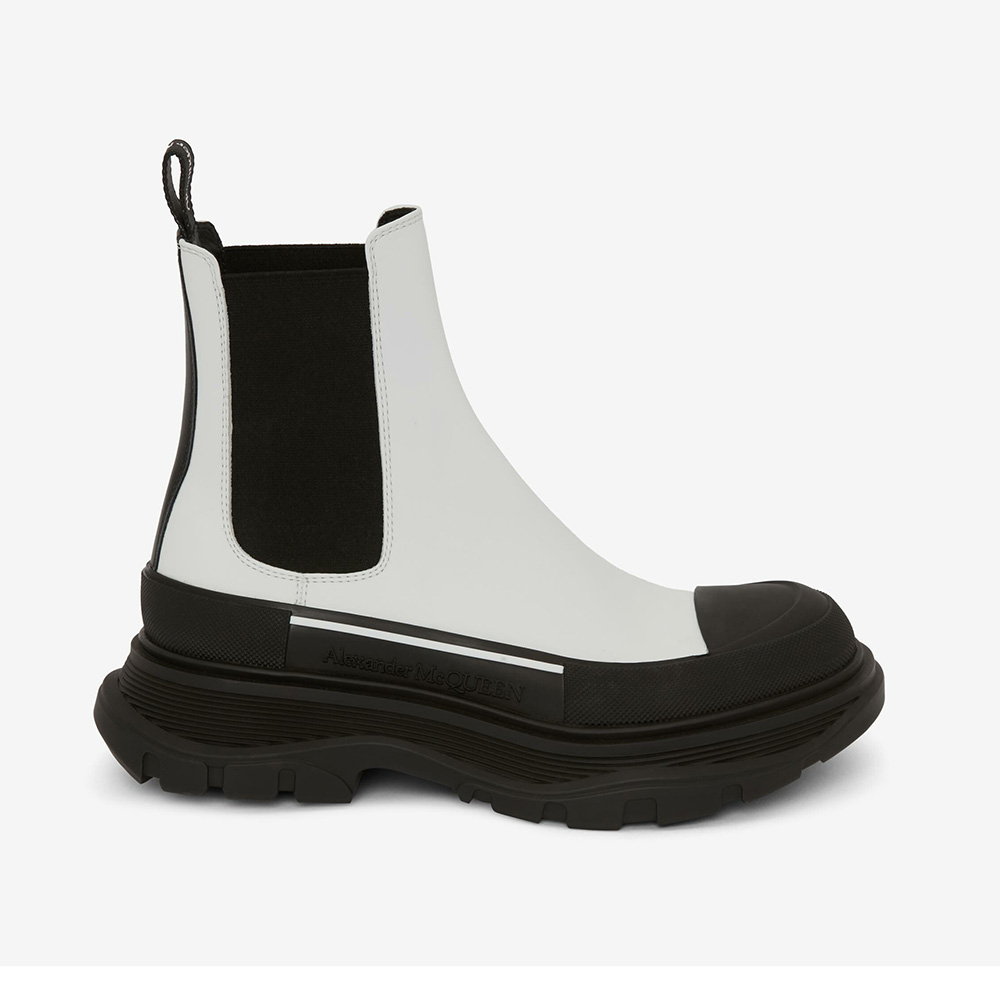 Alexander Mcqueen Women Tread Slick Boot-Black$289
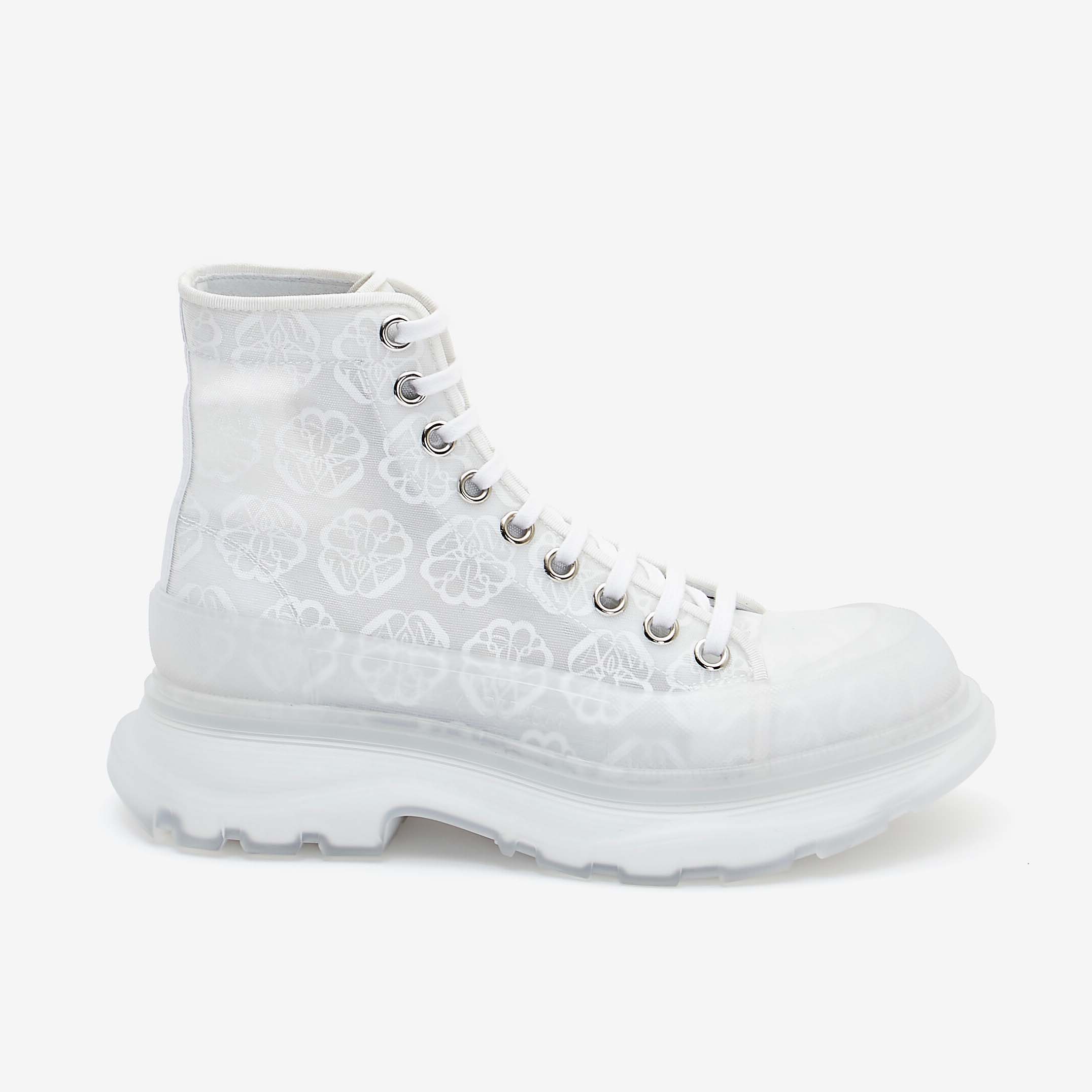 Alexander Mcqueen Women Tread Slick Boot-White$289
UrbanValore is an independent fashion resource. Brand names and trademarks belong to their respective owners. This guide is for information only.